09 November 2026
Hot Dog Recipes That Go Beyond Ketchup and Mustard
Presented by @lorenzorccs848
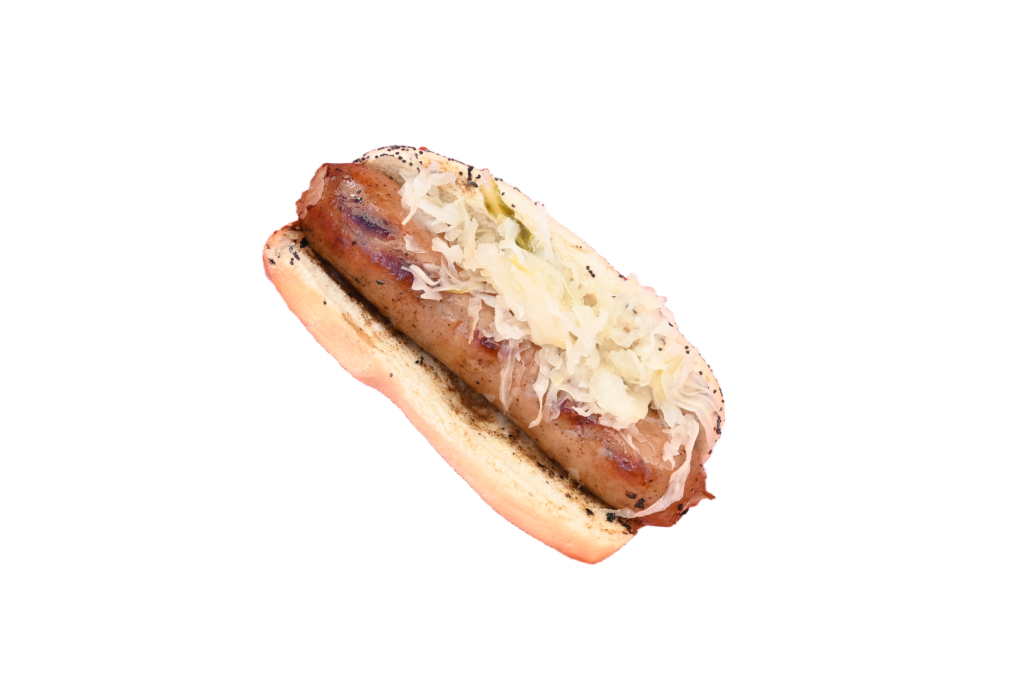
There is nothing wrong with a plain hot dog dressed with yellow mustard and a stripe of ketchup, provided you actually like the sweetness. But the hot dog earns more respect than it usually gets. It cooks quickly, takes smoke and char beautifully, and works as a canvas for sharp, rich, spicy, crunchy, and acidic toppings in a way that few other foods do. If you have ever stood at a grill with a pack of franks and felt that you were about to serve something a little tired, the fix is usually not a more expensive sausage. It is better balance, better texture, and a stronger point of view.
That is the real trick with hot dog recipes that feel memorable. The sausage itself is salty and savory. The bun is soft and slightly sweet. The toppings need to create contrast. You want one creamy element, one bright or acidic note, and something with crunch if possible. Once you start thinking in those terms, the possibilities open up fast.
I learned this the practical way, cooking for backyard parties where the first round of plain dogs disappeared politely, but the second round, the ones with a little imagination, got talked about. A hot dog with grilled onions and brown mustard is fine. A hot dog with charred pineapple relish, jalapeño, and lime crema gets people walking back to the table to ask what is in it. That difference matters, especially when you are feeding a crowd and working with inexpensive ingredients.
Start with a better base
Before getting to toppings, it helps to make a few choices that improve every recipe. Buy hot dogs you actually enjoy eating plain. All beef franks have a firmer bite and a deeper, cleaner savory flavor. Pork and beef blends can be softer and often a bit more spiced. Neither is automatically better. It depends on what you want the toppings to do. For a bold chili dog, all beef stands up better. For something topped with slaw or a creamy sauce, a softer dog can work nicely.
The bun matters more than most people admit. A flimsy supermarket bun tears, steams into mush, and disappears under juicy toppings. A sturdier split-top bun or a lightly toasted bakery bun gives the hot dog structure. Toasting is not optional if you are using wetter toppings like chili, kimchi, or sautéed mushrooms. Even thirty seconds on a griddle with butter makes a difference.
Cooking method changes the flavor too. Grilling gives you smoke and blistered skin. Pan-searing produces an even crust and keeps the interior juicy. Simmering has its place if you are feeding a large group and need consistency, but it produces the least character. If I am building a hot dog recipe around interesting toppings, I usually grill or sear. The sausage should still contribute flavor, not just act as a vehicle.
The first upgrade is texture
Most forgettable hot dogs fail on texture. Everything is soft, salty, and warm. That gets monotonous by the third bite. The best versions break that pattern. Add something crisp, something pickled, or something caramelized with a little chew.
Sauerkraut does this well, provided you warm it gently and do not drown it in sugar. So does finely shredded cabbage tossed with vinegar and salt. Pickled red onions are especially useful because they bring acid, crunch, and color, and they can be made ahead in fifteen minutes. Even crushed potato chips can work if you are serving a casual crowd and want a playful finish with actual crunch.
A hot dog should also be seasoned in layers. Mustard gives acidity, but it should not be your only source. A squeeze of lime, a spoonful of pickle brine in a relish, or a swipe of tangy yogurt sauce can wake up a rich sausage faster than another salty condiment can.
A street-cart onion sauce that improves almost any hot dog
One of the most reliable upgrades is a soft onion sauce cooked down with tomato paste, chili powder, and a little vinegar. It is inspired by the kind of onions that sit on a griddle at city hot dog carts for hours, getting sweeter and deeper as they cook. This topping is inexpensive, crowd-friendly, and somehow tastes more substantial than the effort involved.
Slice two or three onions thinly and cook them in oil over medium heat with a pinch of salt until they collapse and turn golden. Stir in tomato paste and let it darken slightly. Add a little chili powder, black pepper, a splash of water, and just enough vinegar to brighten the mixture. You are not trying to make a pasta sauce. You want jammy onions with a red tint and a sweet-savory edge. Spoon that over a grilled hot dog with spicy brown mustard, and you have something far more interesting than the standard ballpark version.
What makes this combination work is restraint. The onion sauce is soft and sweet, so the mustard needs to be sharp. The bun needs to be toasted. If you pile on cheese or mayonnaise as well, the whole thing gets muddy. Good hot dog recipes often depend on stopping one step sooner than you think.
The chili dog, done with more care
Chili dogs are easy to get wrong. The usual mistake is using a bowl-of-chili chili, meaning something too wet, too chunky, and too bean-heavy to sit on a bun without collapsing it. A proper hot dog chili is finer in texture and more concentrated. Think of it as a thick meat sauce, not a stew.
Brown ground beef very thoroughly, then season with onion, garlic, chili powder, paprika, cumin, and a little tomato. Add enough liquid to loosen it, then simmer until the mixture is thick enough to mound on a spoon. Some cooks like a pinch of cinnamon or a small amount of cocoa for depth. Those additions can be excellent, but use a light hand. A hot dog is not the place for a mysterious spice profile that distracts from the sausage.
The best finishing touch is finely shredded cheddar, not thick chunks, so it melts into the chili. Then add diced raw onion for bite. If you want one more layer, a few pickled jalapeños cut the richness perfectly. This kind of hot dog is messy by nature, but it should still be eatable without requiring a https://ricardofouw807.fotosdefrases.com/how-to-serve-hot-dogs-at-a-crowd-pleasing-bbq fork after the second bite. That is why thickness matters.
A slaw dog for heat and freshness
If chili dogs are for indulgence, slaw dogs are for balance. A cabbage slaw with vinegar, celery seed, and a little sugar turns a hot dog from heavy to lively. Add sliced jalapeño or a hot sauce-based mayo, and you get heat without losing freshness.
There are two ways to approach this. The first is creamy slaw, made with mayonnaise, vinegar, and black pepper. It is richer, softer, and good with griddled onions underneath. The second is a Carolina-style slaw, sharper and lighter, with more vinegar than mayo, or no mayo at all. I prefer the second for grilled hot dogs because smoke and acid are natural partners.
One version I come back to in warm weather uses green cabbage, a small amount of grated carrot, apple cider vinegar, a touch of honey, celery seed, and enough salt to wake everything up. Let it sit for twenty minutes so the cabbage relaxes but does not go limp. Pile it onto the dog and finish with a thin drizzle of a mustard-based sauce. It is bright, crunchy, and much easier to keep eating than a hot dog buried under cheese.
Go smoky and sweet with charred pineapple
A hot dog handles tropical flavors better than people expect. Charred pineapple, especially when combined with chile and acid, brings the same sweet-smoky logic that makes grilled pork and fruit such a classic pairing.
Cut pineapple into small pieces and sear them in a hot pan or on a grill until the edges caramelize. Toss with minced red onion, chopped cilantro, lime juice, and finely diced jalapeño. The result is not a salsa in the watery sense. It should be spoonable and relatively dry. Add it to a grilled hot dog with a smear of crema or sour cream loosened with lime juice.
The reason this works is that the pineapple does not just add sweetness. Charring gives bitterness and depth. Jalapeño adds clean heat. Lime adds acidity. The cream cools everything down. It is a fully built dish, not a gimmick. If you want to make it more substantial, a few crumbles of cotija or feta can be good, but they are optional. Too much cheese starts to hide the fruit.
This is also a strong choice for people who think they do not like hot dogs very much. The toppings shift the center of attention from the sausage alone to the overall composition, and that makes the whole thing feel fresher.
The mushroom and Swiss version for cooler weather
Hot dog recipes usually lean bright and punchy, but there is room for one that feels deeper and more savory. Sautéed mushrooms with thyme, black pepper, and a little butter make a hot dog taste almost bistro-like, especially when paired with Swiss cheese and mustard.
Use mushrooms that brown well, such as cremini. Cook them in a pan without crowding so they release their moisture and then actually caramelize. Add a little shallot if you like, but not so much that it dominates. Finish with thyme and a touch of vinegar or sherry if you have it. Lay a slice of Swiss over the hot dog in the last minute of cooking so it softens, then top with the mushrooms and a small swipe of Dijon.
This combination benefits from a sturdier sausage, ideally all beef. It also benefits from moderation. Too many mushrooms and you no longer have a balanced hot dog. Too much Swiss and the whole thing gets greasy and flat. It should feel rich, not heavy.
Kimchi changes everything
If you keep kimchi in the refrigerator, you are never far from a better hot dog. It brings acid, garlic, chile, funk, and crunch all at once. For a quick, high-impact topping, chop kimchi roughly, drain off excess liquid, and pair it with a little mayo mixed with sesame oil and a touch of honey.
That sesame mayo should be used sparingly. It is there to round off the edges of the kimchi, not blanket it. Add sliced scallions and, if you want more texture, toasted sesame seeds. The hot dog underneath can be grilled or pan-seared, but a little char helps.
What I like about this version is how quickly it comes together without tasting hurried. It also solves a common problem with hot dog toppings, which is that many rely too heavily on salt and fat. Kimchi brings enough acidity and complexity that you do not need much else. If you are serving this to guests who are wary of fermented foods, call it spicy pickled cabbage. They usually try it, then ask for another.
Beans belong on some hot dogs, just not all
People can be oddly rigid about what belongs on a hot dog, and beans are one of the recurring arguments. My view is practical. If the beans are well seasoned, not too loose, and used as part of a topping rather than as a ladled stew, they can be excellent.
A Southwestern-style hot dog with a spoonful of smoky black beans, corn relish, avocado crema, and cilantro can be terrific. The beans should be mashed slightly so they cling instead of rolling off. The corn relish should be bright, with lime and maybe a little poblano. The avocado crema needs enough acidity to stay from tasting dull. When each part is adjusted properly, the hot dog feels complete and satisfying.
When this version fails, it usually fails because every component is soft. If you make it, keep some bite in the corn or add pumpkin seeds or crisp onions on top. Again, texture decides whether a hot dog feels thoughtfully made or thrown together.
A breakfast-style hot dog that actually works
A breakfast hot dog sounds like novelty food until you build one with discipline. The key is to borrow the flavors of breakfast without making the bun soggy or turning the whole thing into a stunt.
Start with a sausage-style frank or a mildly spiced hot dog. Add a thin layer of scrambled egg, cooked softly but not wet, a little cheddar, and a spoonful of crisp hash browns or potato shreds. Finish with hot sauce or a tomato jam. That gives you a savory, satisfying combination that still eats like a hot dog, not a breakfast plate shoved into bread.
This works best for brunch gatherings where people want something fun but not absurd. Keep the portions modest. One hot dog per person is usually enough because the egg and potato make it feel heavier than it looks. A side of fruit or a green salad helps keep the meal from tipping into excess.
What to serve with a better hot dog
If you are putting this much thought into a hot dog, the side dishes should support it rather than repeat it. Heavy toppings paired with creamy potato salad and baked beans can become too much. A sharper side, such as cucumber salad or grilled vegetables with lemon, often makes the whole meal more appealing.
The drinks matter too. Beer is an obvious match, but so are sparkling water with citrus, tart lemonade, and unsweetened iced tea. The common thread is acidity or bitterness. Both help cut through the richness of the sausage.
For larger gatherings, it is smart to offer a small range of toppings that can mix and match rather than trying to execute six fully separate hot dog recipes at once. A pan of onion sauce, a bowl of slaw, a tray of pickled onions, and one substantial topping such as chili or mushrooms will take you farther than an overloaded topping bar with no clear direction.
Common mistakes that flatten flavor
The easiest way to make a hot dog disappointing is to overbuild it. The second easiest is to underseason the toppings. A plain sausage in a bun needs help. If your slaw tastes flat on its own, it will taste flatter against a salty frank. If your chili is watery in the pot, it will be even more disappointing on bread.
Another recurring issue is temperature. Cold toppings can be great, but they should be intentionally cold, not refrigerator-stiff and lifeless. A slaw should be chilled but dressed enough to be supple. Kimchi should not be icy. Onion sauce and mushrooms should be warm. The bun should be toasted near the last minute so it does not go stale or soggy while waiting.
People also tend to forget scale. Dice onions smaller. Shred cheese finer. Cut pickles thinner. A hot dog is narrow, and oversized toppings fall away or create awkward bites. Small details of knife work matter here more than they do in many larger sandwiches.
Five combinations worth keeping in regular rotation
- Grilled hot dog with onion-tomato sauce and spicy brown mustard.
- Thick chili dog with shredded cheddar, raw onion, and pickled jalapeño.
- Vinegar slaw dog with mustard drizzle and sliced fresh jalapeño.
- Charred pineapple dog with lime crema, cilantro, and red onion.
- Kimchi dog with sesame mayo and scallions.
Those five cover a wide range of moods, from classic and hearty to bright and sharp. More important, they teach the same lesson from different angles. The best hot dog recipes are built on contrast. Salt needs acid. Soft needs crunch. Richness needs heat or freshness. Once that clicks, you stop treating the hot dog as an afterthought and start treating it as one of the most flexible foods you can put on a grill.
The case for treating the hot dog seriously
Part of the charm of a hot dog is that it is casual. It does not ask for ceremony. But casual food often benefits most from real attention because small improvements are so noticeable. A toasted bun, a topping with actual acid, a layer of crunch, and a sausage cooked with care can turn an ordinary cookout staple into the thing everyone remembers from the meal.
That does not mean every hot dog needs six components and a backstory. Sometimes the best move is simply sauerkraut, Dijon, and a well-browned frank. Sometimes it is a spoonful of warm chili and enough onion to sharpen it. The point is not complexity for its own sake. The point is intention.
Once you move beyond ketchup and mustard, the hot dog becomes less of a default and more of a format. It can carry smoke, spice, sweetness, fermentation, herbs, dairy, pickles, and char. It can lean nostalgic or surprisingly refined. That range is why it keeps earning a place at serious cookouts, weeknight dinners, stadium seats, and late-night counters alike. Few foods are this forgiving, this inexpensive, and this open to improvement. That is reason enough to give the next hot dog a little more imagination.
Under Construction Hot Dogs
1225 W U.S. Hwy 50, Pueblo, CO 81008
FAQ About hot dog
What are different types of hotdogs?
Under Construction Hot Dogs offers a classic all-beef hot dog, a quarter-pound Jumbo Dog, a Chili Dog, and a Chicago Dog, along with brats and a Spicy Link.
What does a chili dog have on it?
Our Chili Dog pairs a Vienna all-beef hot dog with chili, shredded cheddar cheese, and finely diced onions.
What is in a traditional Chicago dog?
Our Chicago Dog comes on a steamed poppy seed bun with yellow mustard, bright green relish, onions, tomato wedges, a pickle spear, sport peppers, and celery salt.